10 things that can save your life in a critical situation
Explaining the TOP 10 things that can save your life
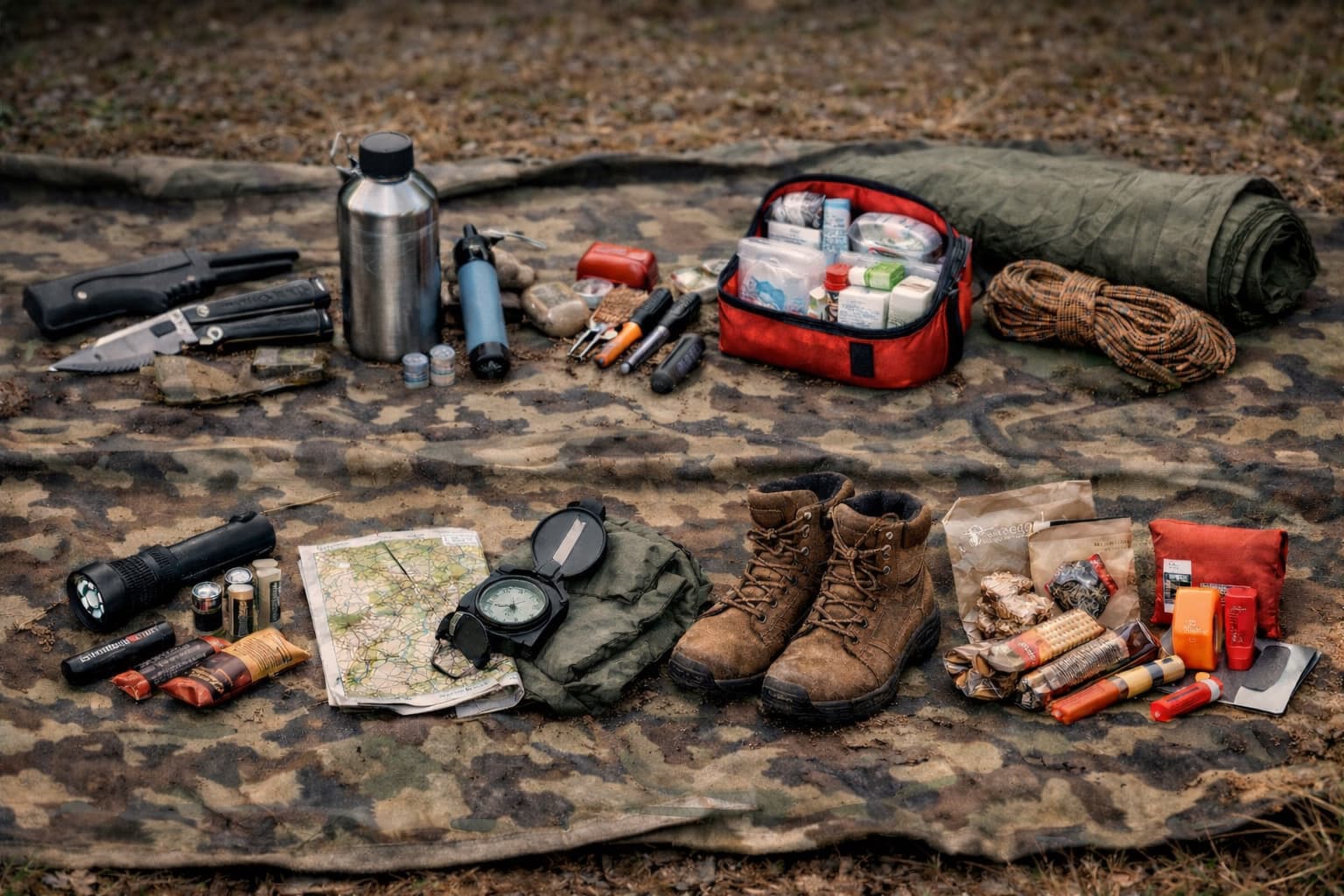
Life is unpredictable, and in combat or extreme situations, your level of preparedness can be the key to survival. Field conditions require well-thought-out equipment that helps protect your health, safety, and life.
Below is a list of 10 essential items that should be part of your survival kit.
1. A Reliable Knife or Multitool 🔪
A knife is arguably the most important tool in a critical situation. It can be used for:
Cutting rope or fabric
Building a basic shelter
Preparing food or hunting
The best choice is a fixed-blade knife or a multitool with multiple functions such as pliers, screwdrivers, and a saw. In the field, a quality knife becomes a universal tool—useful for food preparation, trap-making, gear repair, or even self-defense. Choose models made from high-quality steel with an ergonomic design.
2. Water and Water Purification Systems 🚰
Access to drinking water may be limited in the field. It is essential to have:
A water bottle or reservoir
Water purification tablets or filters
Portable filters or straw filters that allow drinking even from puddles
Remember: a person can survive no more than three days without water. Knowledge of water collection methods—such as dew condensation or rainwater harvesting—can greatly increase survival chances. Always carry a purification method, as contaminated water is a major cause of illness in field conditions.
3. Fire-Starting Tools 🔥
Fire is essential for warmth, cooking, and signaling for help. Your kit should include:
A lighter and waterproof matches
A flint or ferrocerium rod
Backup tinder such as cotton or chemically treated fire starters
The ability to start a fire in rain or strong wind is critical. Store tinder in waterproof containers and learn to use natural materials like dry grass, tree bark, or pine needles. Fire can also deter wild animals at night.
4. First Aid Kit 💊
A compact but well-equipped first aid kit can save lives. It should include:
Bandages, adhesive tape, sterile dressings
Antiseptics and antibiotics
Bleeding control tools (tourniquets, hemostatic gauze)
Painkillers and anti-inflammatory medication
Add personal medications if required. Including first aid instructions is highly recommended, as they can be invaluable under stress. Knowledge of wound care, bleeding control, and fracture immobilization is just as important as the supplies themselves.
5. Shelter or Shelter-Building Equipment 🏠
In extreme conditions, shelter protects from weather and provides basic comfort. Useful items include:
A compact tarp or poncho
A thermal blanket or emergency sleeping bag
Rope or cord for improvised shelter construction
Knowing how to build shelter from available materials is a critical skill. Use natural cover such as caves or dense vegetation combined with your gear. In cold weather, insulation from the ground using branches or debris is essential to prevent hypothermia.
6. Flashlight and Spare Batteries 🔦🔋
Light is necessary for navigation, nighttime tasks, and signaling. Choose:
Flashlights with multiple modes (steady, strobe, etc.)
Headlamps for hands-free operation
Rechargeable models with solar charging capability
Chemical light sticks are also useful—they do not rely on batteries and work even in water. They can be used for signaling or marking shelter locations at night.
7. Map and Compass 🗺 🧭
GPS devices can fail, making traditional navigation tools essential. Learn how to:
Read maps and orient yourself
Determine azimuths and plan routes
Prepare maps in advance with routes to water sources, shelters, or settlements marked. Knowledge of natural navigation methods—using the sun or stars—is also valuable.
8. Durable Clothing and Footwear 👕🧦
In survival situations, staying warm, dry, and comfortable is vital. Choose:
Waterproof jackets and trousers
Thermal or insulating clothing
Durable footwear suitable for long-distance movement
Carry spare socks and headwear. Layered clothing allows temperature regulation. Avoid cotton, which absorbs moisture and retains little heat. In cold conditions, insulated insoles or thermal liners for boots are highly recommended.
9. High-Calorie Food Supplies 🥟🥑🍤
Food maintains energy and mental focus. Suitable options include:
Freeze-dried meals or military rations (MREs)
High-calorie energy bars
Nuts, dried fruit, chocolate
Ensure compact packaging and long shelf life. Electrolyte drinks or powders help maintain hydration balance. Foods rich in protein and fats are especially useful in cold environments.
10. Signaling Devices 📡
To attract rescuers’ attention, your kit should include:
A whistle audible over long distances
A signal mirror for reflected light signals
Flares or smoke signals
These items can significantly speed up rescue. Keep signaling devices easily accessible—on a belt or outer pocket. Learn how to properly use a signal mirror by directing reflected light toward the target area.
Important to Remember❗
Preparation for critical situations is not only about equipment, but also about skills and knowledge. All items listed above form a basic survival kit for field conditions. Proper use of this equipment can ensure safety, comfort, and save lives.
Always be prepared for the unexpected—this is the best way to protect yourself and help others.