5 fundamentals of teamwork in the Special Operations Forces
Explaining the foundation - the core principles of teamwork in SOF.
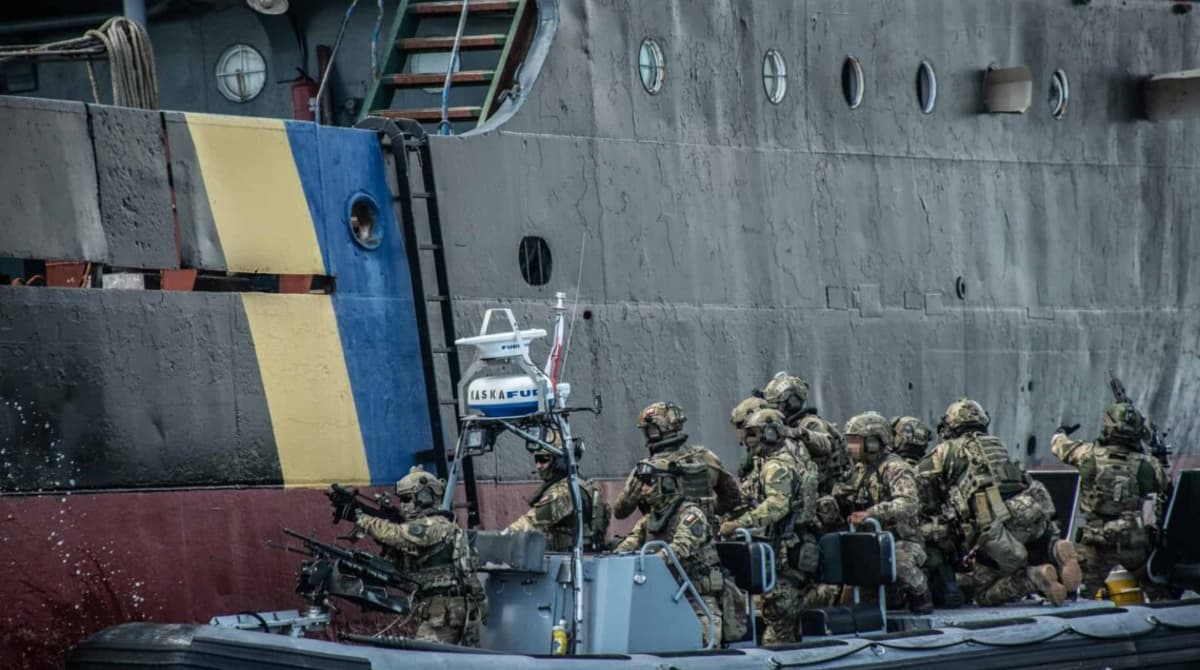
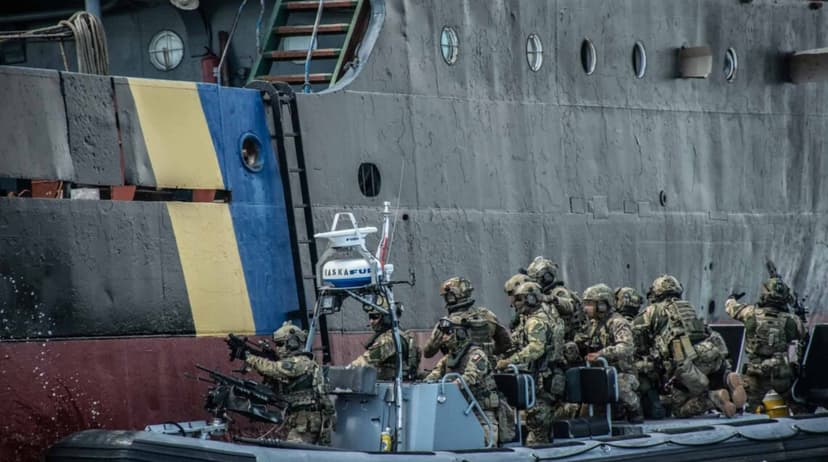
The Special Operations Forces (SOF) are not only about strength and endurance, but first and foremost about coordinated teamwork. No operation can succeed if its participants do not function as a single, unified mechanism. SOF provide a unique example of how tactics and team interaction become the foundation for achieving a common objective.
Below are five key fundamentals of teamwork in SOF, supported by true stories from operators who have proven that effective cooperation can change the course of events on the battlefield.
1. Trust Is the Foundation of Everything 🪤
Trust between team members is the cornerstone of any successful SOF operation. Without trust, it is impossible to operate in high-risk environments where every action depends on mutual coordination.
How trust is built:
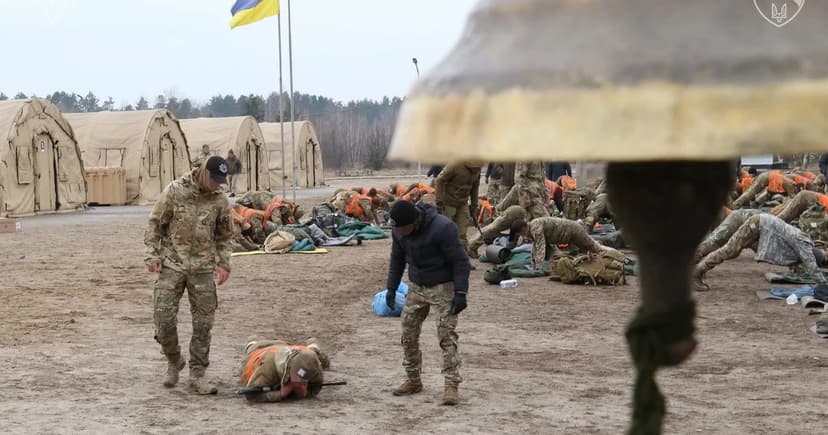
Joint training. During intensive physical and tactical training, operators learn each other’s strengths and weaknesses. They learn to work together and rely on their teammates.
Operating in demanding conditions. Training often takes place at night, in rain, forests, or mountains—conditions that reinforce the understanding that success depends on the team.
Leadership by example. Commanders demonstrate how teamwork functions in practice and set the standard for others.
What trust provides:
Willingness to take risks knowing teammates will provide cover.
Confidence that a partner will not fail.
The ability to focus fully on one’s task without worrying about other aspects of the mission.
True story:
“We operated as a pair. My partner stayed in cover and provided fire support. I knew that if anything went wrong, he would cover me even at personal risk. That trust allowed me to operate at maximum effectiveness,” — says SOF operator Dmytro.
2. Clear Role Distribution 👷♂️👨💻👨🏭
A clear understanding of responsibilities and areas of accountability turns a group into an effective combat unit. Every operator knows their role and performs it to the highest standard.
How roles are assigned:
Capability assessment. Before a mission, the commander determines who is best suited for each task.
Specialization. Each operator has specific skills—reconnaissance, engineering, UAV operation, medical support, etc.
Adaptation to conditions. Roles may change depending on the battlefield situation.
Why role distribution matters:
Reduces duplication of effort.
Ensures every operator knows exactly what to do in any situation.
Increases speed and efficiency of execution.
True story:
“I was responsible for reconnaissance, my partner provided cover, and the third operator handled explosives. We worked in sync without interfering with each other. Clear role allocation allowed us to complete the task twice as fast,” — recalls SOF reconnaissance operator Andrii.
3. Communication Is Success 🗣🗝
Effective communication during operations ensures coordination, especially in extreme conditions. It relies on clear instructions, simplified signals, and constant awareness of each team member’s status.
How communication is maintained:
Radio communications. Each operator uses a headset to receive and transmit commands.
Hand signals. Silent operations rely on standardized hand gestures.
Code phrases. Short, predefined commands reduce misunderstanding.
Why communication is critical:
Enables rapid information exchange.
Reduces the likelihood of errors.
Allows real-time adjustment of actions.
True story:
“We operated in silence, using only hand signals. One gesture—and the entire team knew where to move next. It saved time and prevented unnecessary noise that could expose our position,” — says Oleksandr, SOF team leader.
4. Mutual Support 🤝
On the battlefield, mutual support is not just assistance—it is a means of survival. In SOF, support is both physical and psychological.
How mutual support is expressed:
Physical support. Helping carry heavy equipment or evacuate a wounded teammate.
Moral support. Maintaining motivation and morale in critical moments.
Collective decision-making. Decisions are made with input from the entire team.
Results of mutual support:
Improved morale.
Reduced stress levels.
Increased overall team effectiveness.
True story:
“My teammate was wounded during a mission. Leaving him behind was not an option. The whole team worked together—some carried him, others provided cover. It was difficult, but we knew that support is the foundation of our team,” — says Maria, SOF combat medic.
5. Adaptability to Conditions 💡
On the battlefield, nothing goes exactly as planned. SOF operators must be ready for change and able to adapt quickly to new circumstances.
How adaptability is developed:
Continuous training. Preparation includes scenarios involving weather changes, loss of communications, and unexpected threats.
Cognitive development. Operators learn to assess situations quickly and make decisions with limited information.
Operational flexibility. Plans may change, but the team must remain effective under all conditions.
Why adaptability matters:
Helps prevent casualties.
Allows teams to exploit opportunities even in unfavorable situations.
Ensures mission success.
True story:
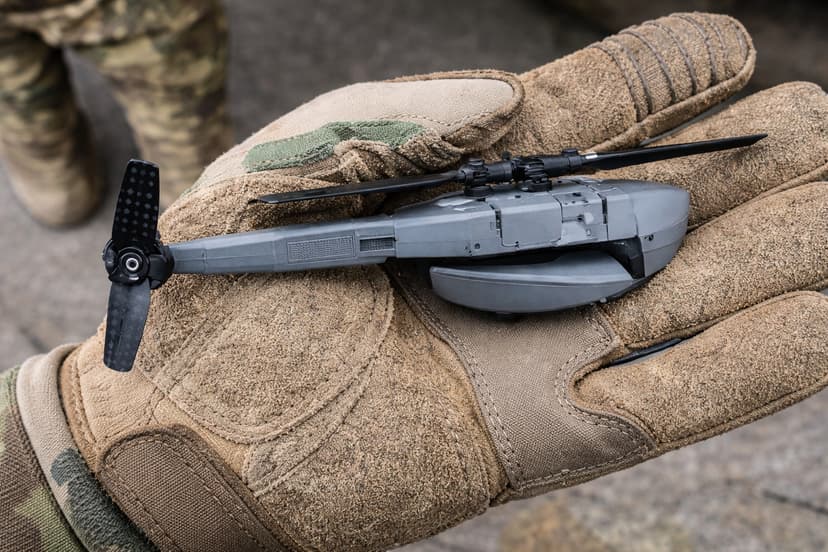
“We were moving along a planned route, but a sudden enemy presence forced us to change direction. A drone helped identify a safe alternative route. Thanks to adaptability, we completed the mission without losses,” — recalls Ivan, SOF squad leader.
Teamwork in SOF Is More Than Interaction 🧡
It is a combination of trust, clear role distribution, effective communication, mutual support, and adaptability. Each of these elements is critical to mission success and to preserving the lives of operators.
In SOF, every mission is a test not only for the individual, but for the entire team. Teamwork skills become decisive factors, because even the strongest operator cannot succeed without the support of others.