Modern warfare is not only a confrontation on the battlefield, but also an intellectual struggle for information, precision, and superiority. The Special Operations Forces (SOF) of the Armed Forces of Ukraine are among the most effective units thanks to their use of advanced technologies—particularly unmanned aerial systems (drones). Drones have become the eyes of reconnaissance, the hands of strike operations, and an indispensable tool for mission execution.
1. The Role of Drones in Modern SOF Operations
1.1. Reconnaissance and Surveillance
Drones enable operational reconnaissance from a safe distance, providing up-to-date intelligence on enemy positions, movements, and fortifications.
Real-time monitoring. Drone operators transmit live imagery to command posts, enabling commanders to make timely decisions.
Target detection. Equipped with cameras and thermal imagers, drones can identify concealed enemy positions, including personnel and equipment.
1.2. Artillery Fire Adjustment
Drones significantly increase the accuracy of artillery strikes, reducing ammunition expenditure and minimizing risks to friendly forces.
Precision targeting. Artillery fire can be adjusted to an accuracy of just a few meters.
Battle damage assessment. After strikes, drone operators assess results and refine follow-on actions.
1.3. Strike Capabilities
Certain drones are used for precision strikes against enemy positions, especially when larger weapon systems cannot be employed.
Kamikaze drones. Loitering munitions deliver precise explosive strikes.
Neutralization of equipment. Drones destroy armored vehicles and other high-value targets.
1.4. Evacuation and Logistics Support
Drones are also used to deliver small payloads—such as medical supplies, equipment, or ammunition—to hard-to-reach locations.
Frontline support. Drones save lives by delivering tourniquets or dressings to wounded personnel.
Small cargo evacuation. Under fire, drones can extract critical documents or equipment.
2. Types of Drones Used by SOF
Modern warfare requires high-tech solutions, and drones play a central role in SOF missions. Different types of drones are employed depending on task requirements.
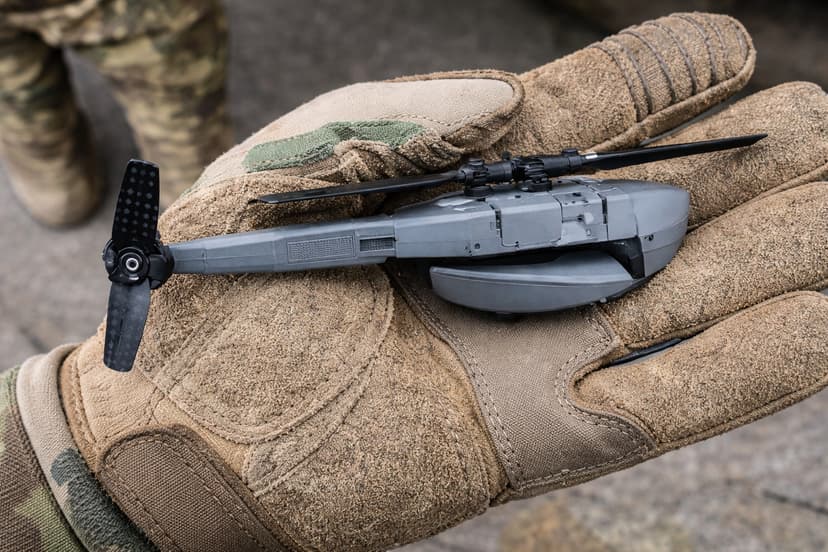
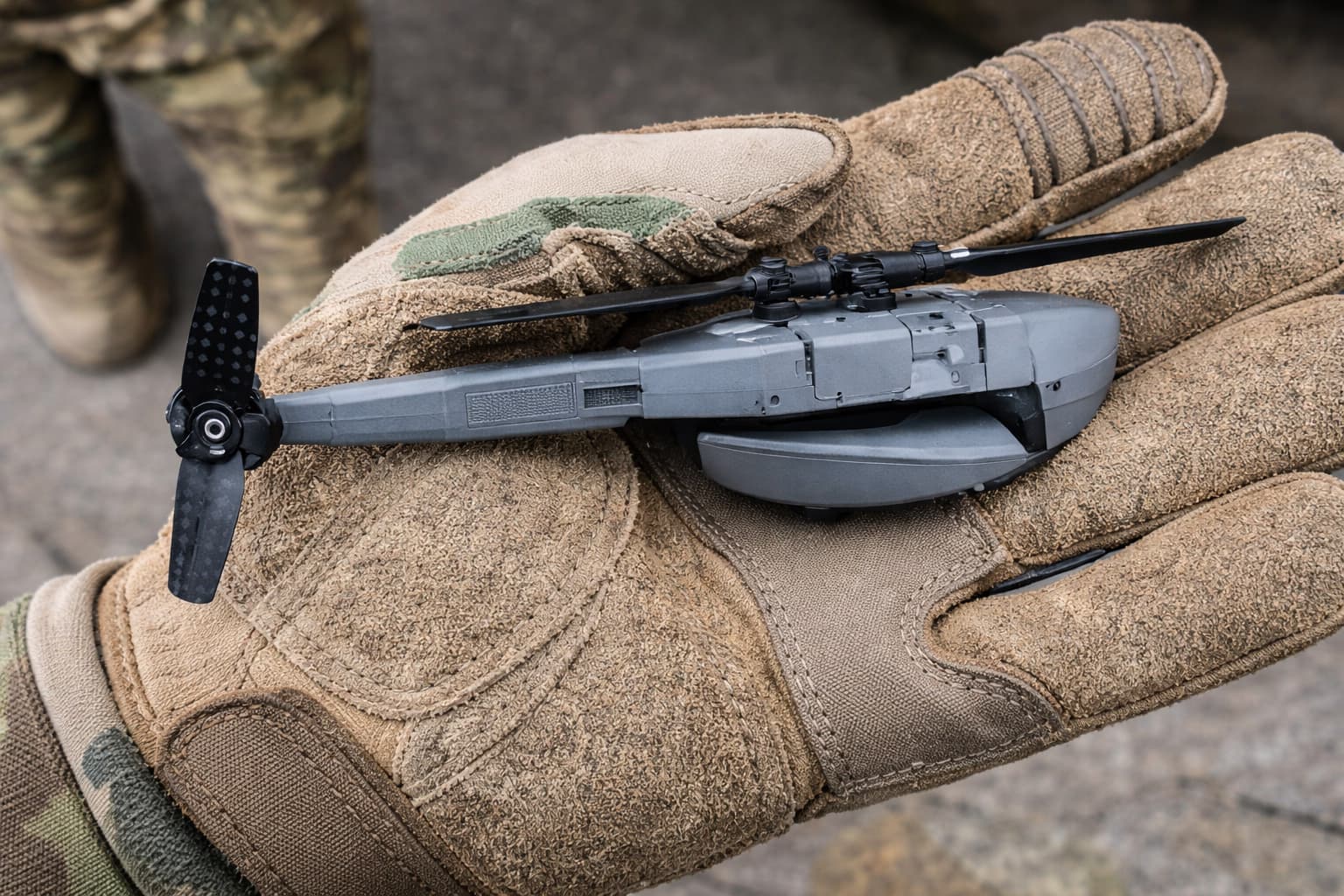
2.1. Reconnaissance Drones
Used to gather intelligence on enemy positions, movements, and terrain. Equipped with advanced cameras, thermal imagers, and surveillance systems.
Key features:
Lightweight and highly mobile, capable of operating at extended ranges
Real-time video transmission for immediate decision-making
Thermal imaging for night operations and detection of concealed targets
Typical tasks:
Identifying enemy fortifications and equipment
Monitoring enemy movement
Pre-mission area assessment
2.2. Strike Drones
Equipped with explosive or guided payloads to destroy targets when conventional fire support is unavailable.
Key features:
Precision strikes on high-value targets
Ability to destroy vehicles, fortifications, and enemy personnel
High maneuverability and accuracy, reducing collateral damage
Typical tasks:
Neutralization of enemy command posts
Destruction of armored vehicles
Strikes on ammunition or fuel depots
2.3. Kamikaze Drones
Single-use loitering munitions designed to strike targets in a one-way mission.
Key features:
High strike accuracy
Long-range engagement capability
Lower cost compared to traditional munitions
Typical tasks:
Destruction of tanks and armored vehicles
Neutralization of fortified positions
Attacks on critical infrastructure targets
2.4. Courier Drones
Used for transporting supplies in contested or inaccessible areas.
Key features:
Delivery of medical supplies, ammunition, and equipment
Rapid and safe delivery where infantry movement is impossible
Extraction of small but critical payloads
Typical tasks:
Delivery of medical supplies to wounded personnel
Transport of ammunition to forward positions
Evacuation of sensitive documents or equipment
3. Why Drones Are Indispensable for SOF
3.1. Operator Safety
Drones enable reconnaissance and observation at a distance, reducing exposure to enemy fire.
Strike drones reduce the need for direct contact with the enemy.
3.2. Speed and Responsiveness
Rapid transmission of battlefield intelligence
Immediate response to threats through real-time adjustments
3.3. Precision
High accuracy in reconnaissance and strike missions
Precision engagements minimize collateral damage and civilian risk
3.4. Effectiveness in Complex Terrain
Drones operate effectively in mountains, forests, and urban ruins where conventional assets are limited.
3.5. Mobility and Cost Efficiency
Compared to other weapons systems, drones are relatively low-cost and easy to deploy
Minimal launch time and high portability
Operational Accounts from SOF Personnel
Eyes in the Sky
SOF reconnaissance operator Andrii:
“Our team was tasked with checking enemy positions before an assault. We suspected concealed equipment but lacked exact coordinates. A thermal drone identified three camouflaged tanks in a treeline. Artillery engaged the targets, and by the time we advanced, the enemy was neutralized. The drone saved our lives and cleared the way.”
Kamikaze Drone in Action
Drone operator Oleksii:
“During one mission, we identified an enemy armored vehicle controlling a strategic bridge. Artillery was not an option due to nearby civilians. We deployed a kamikaze drone with an explosive payload. The strike was precise—the vehicle was destroyed. We secured the bridge without a single shot or casualties.”
Support for the Wounded
SOF medic Mariia:
“During a firefight in a forest, one of our operators was wounded, but heavy fire prevented us from reaching him. Using a drone, we delivered a tourniquet and medical supplies directly to his position. This stopped the bleeding until we could evacuate him safely.”
Fire Adjustment from Above
Unit commander Dmytro:
“The enemy occupied high ground and had us pinned down. A direct assault would have been suicidal. We launched a drone, transmitted coordinates to artillery, and after two precise strikes, the position was destroyed. The drone allowed us to complete the mission without losses.”
Urban Reconnaissance
SOF sapper Ivan:
“During an urban operation, we suspected an ambush in a city block. A drone identified a concealed sniper group on rooftops. We changed our route, bypassed the threat, and struck from another direction. Without the drone, casualties would have been likely.”
Drones as a Critical Tool for SOF Missions
Drones provide accurate reconnaissance, effective artillery guidance, logistics support, and precision strikes against enemy targets. Real operational accounts demonstrate how these technologies save lives and ensure mission success in the most complex scenarios.
They illustrate how modern technology is reshaping warfare—and bringing victory closer.