In modern armed conflicts, technology plays a decisive role, and Electronic Warfare (EW) has become one of the most critical domains of military operations. EW systems are capable of significantly altering the course of combat by providing a strategic advantage through control of the electromagnetic spectrum.
This article examines the principles of EW, its impact on battlefield tactics, and real operational experiences shared by Special Operations Forces personnel.
What Is Electronic Warfare and What Are Its Tasks?
Electronic Warfare is a domain of military activity focused on achieving dominance in the electromagnetic spectrum. It involves the use of technological means to influence, disrupt, degrade, or destroy the enemy’s electronic systems.
In modern warfare, EW has become a key instrument capable of determining the outcome of an operation before the first shot is fired.
Principles of Electronic Warfare Operations
EW systems operate by emitting electromagnetic energy that interferes with the functioning of enemy technical assets. These emissions can disrupt radio communications, degrade radar performance, or even seize control of unmanned systems.
At the same time, EW also includes defensive measures, ensuring the protection of friendly systems against similar hostile actions.
Core EW Mission Areas
1. Disruption of Communications
Radio communications form the backbone of command and control in any military operation. In this domain, EW tasks include:
Jamming radio channels, depriving enemy units of the ability to transmit orders or receive intelligence.
Signals interception, enabling analysis of intercepted communications to extract intelligence on enemy intentions and plans.
2. Denial of Navigation
Most modern military platforms—from artillery systems to UAVs—rely on satellite navigation (GPS/GNSS). EW capabilities allow forces to:
Degrade or deny GPS signals, preventing accurate targeting and navigation.
Spoof navigation data, injecting false coordinates and disorienting enemy systems.
3. Radar Suppression
Radars are essential for target detection and fire control. EW systems can:
Jam radar emissions, effectively rendering platforms invisible.
Generate false targets, forcing the enemy to waste resources on non-existent threats.
4. Counter-Unmanned Aerial Systems (C-UAS)
Unmanned aerial vehicles have become integral to modern warfare. EW plays a critical role by:
Disrupting command-and-control links, causing drones to lose operator control.
Hijacking control channels, allowing captured drones to be repurposed against the adversary.
5. Protection of Friendly Systems
EW also safeguards friendly forces by preventing:
Enemy jamming of communications.
Interception of radio transmissions.
Use of deceptive navigation signals against friendly platforms.
How Electronic Warfare Is Changing the Tactics of War
EW introduces new tactical opportunities by shifting the focus toward technological dominance on the battlefield.
Disruption of Enemy Coordination
Enemy coordination depends on reliable communications. Jamming radio networks not only disrupts command and control but also generates confusion and chaos among hostile units.
True story:
“During one operation, we employed a mobile EW system to jam enemy radio communications. This allowed our team to infiltrate behind enemy lines undetected,”— Oleksandr, SOF EW Operator
Countering Enemy Drones
UAVs are used for reconnaissance, artillery fire adjustment, and strike missions. EW systems enable forces to suppress control signals or seize control of hostile drones.
True story:
“On the frontline, we detected an enemy drone adjusting artillery fire. Our EW specialists intercepted its control link and forced the drone to return toward enemy positions. This saved our defensive positions,”— Andrii, SOF Operator
Creation of ‘Dead Zones’
EW systems can establish areas where enemy equipment becomes ineffective due to signal disruption. These ‘dead zones’ serve as critical elements of tactical dominance.
True story:
“We suppressed enemy radar systems in a specific sector, allowing our artillery to conduct precise strikes without the risk of counter-battery fire,”— Dmytro, SOF Team Commander
Types of Electronic Warfare Systems
Mobile EW Systems
Designed to operate while maneuvering, these systems are mounted on vehicles, providing high operational flexibility.
Example: Bukovel-AD — a Ukrainian mobile EW system effective in countering UAVs.
Fixed EW Complexes
Deployed for sustained operations in designated areas, these systems provide protection for critical infrastructure and key assets.
Example: Kupol — a system designed to protect against drones and radio interception.
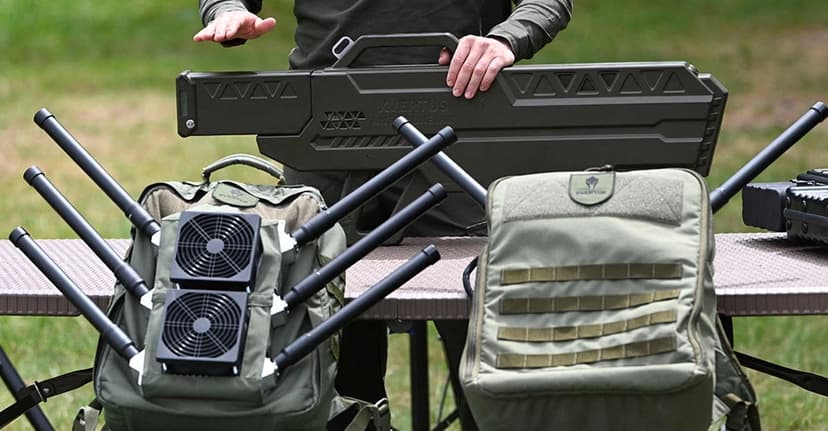
Portable EW Devices
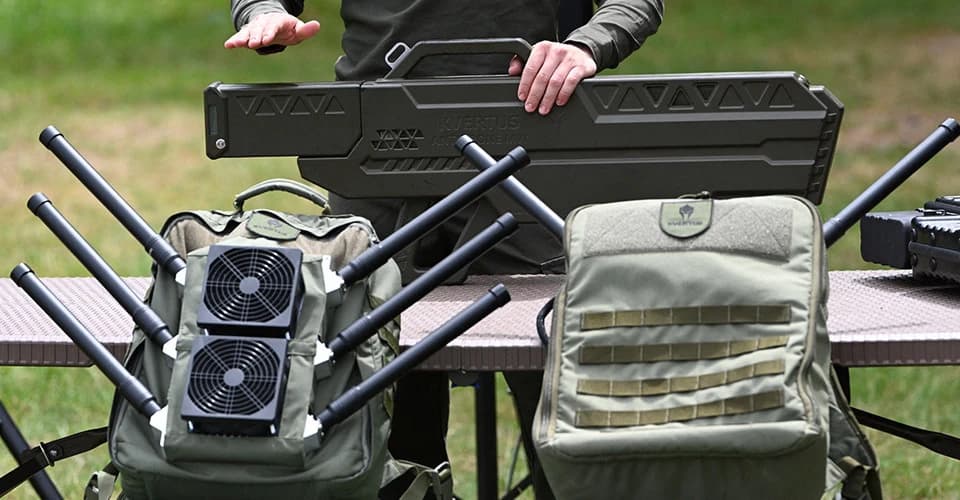
Lightweight and suitable for close combat environments, portable EW systems allow rapid adaptation to changing tactical conditions.
Example: Handheld jamming devices used by special operations units.
Challenges and Limitations of EW
Despite its advantages, EW faces several constraints:
High energy consumption.
Risk of detection due to electromagnetic emissions.
Reduced effectiveness in complex terrain (forests, mountains).
Psychological Impact of Electronic Warfare
Beyond technical superiority, EW exerts a powerful psychological effect on the enemy. Loss of communications and situational awareness induces fear, disorientation, and reduced combat effectiveness.
True story:
“We used EW to shut down their radio network. They were unable to call for reinforcements, and this broke their fighting spirit,”— Serhii, SOF EW Operator
The Future of Electronic Warfare: Integration with Emerging Technologies
EW systems continue to evolve. Integration with artificial intelligence and automation significantly enhances their effectiveness.
Future directions include:
UAVs equipped with onboard EW modules.
Integration with cyber operations to protect military networks.
Development of low-observable portable systems with extended operational range.
True story:
“We recently tested a drone equipped with EW payloads that created a ‘radio silence zone’ with a radius of 5 kilometers. This opens new possibilities for future operations,”— Ihor, SOF Operator
Electronic Warfare as a Pillar of Modern Warfare
Electronic Warfare has become a decisive element of modern combat operations. EW systems provide tactical superiority, neutralize threats, and create favorable conditions for mission success.
The operational experience of Special Operations Forces demonstrates that effective use of EW enables mission accomplishment with minimal losses.
The future of warfare belongs to technology—and Electronic Warfare stands at the forefront of this new era.