5 Steps to Join the Special Operations Forces
Quick and simple guide on how to join the Special Operations Forces
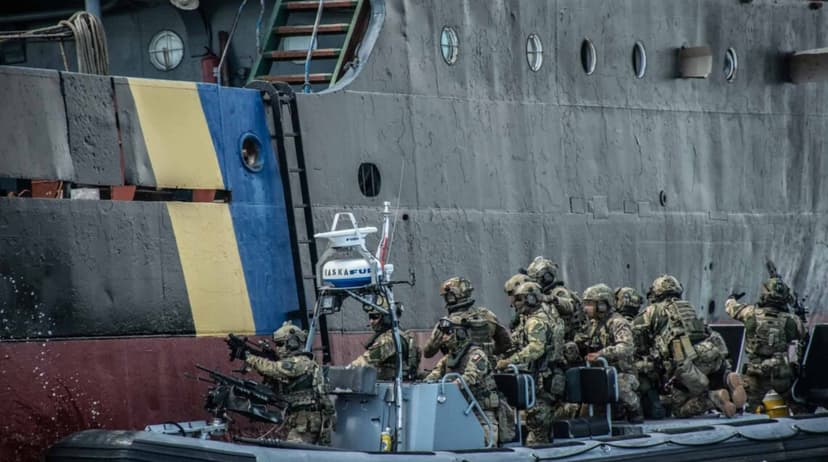
The Special Operations Forces (SOF) are an elite branch of the Armed Forces of Ukraine, constantly operating on the front line of national defense—both literally and figuratively.
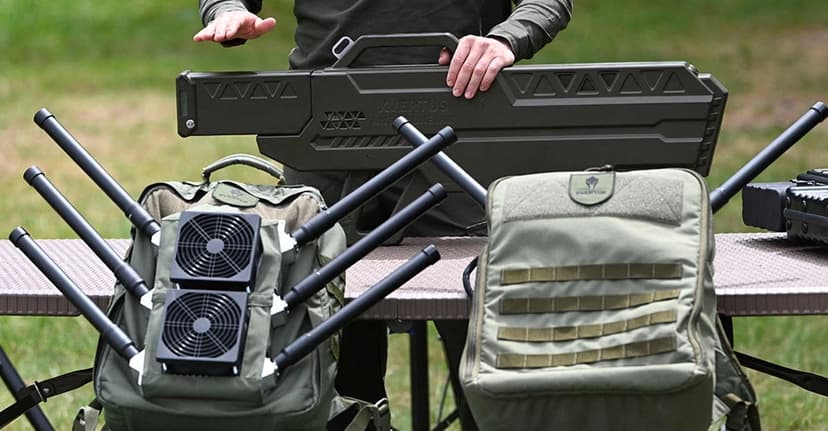
If you aspire to become part of a team that uses cutting-edge technologies, works alongside top professionals, and takes on the most demanding challenges, the journey begins with a single step.
Below is an overview of how recruitment into SOF works and what stages a potential candidate must complete.
Step 1: Understanding the Requirements and Making the Decision to Serve
The first step is determining whether you meet the basic requirements and making a conscious decision to dedicate yourself to service in the Special Operations Forces.
Basic criteria:
Age:Candidates aged 18–35 form the main recruitment group. Some positions allow older specialists. In certain units, the age limit is 45, and for narrow technical specialties—up to 50–55.
Physical fitness:Assessed depending on the position and functional role.
Motivation:Ability to work in a team, willingness to learn, and adaptability to challenging conditions.
Education and experience:Military training, medical or technical skills are strong advantages. However, lack of prior military experience is not a barrier—motivation and readiness to learn are key.
What you should do:
Honestly assess your capabilities and motivation.
Review official SOF information at sofua.army.
Express your intent to serve through one of the available application methods (see Step 2).
Step 2: Submitting an Application
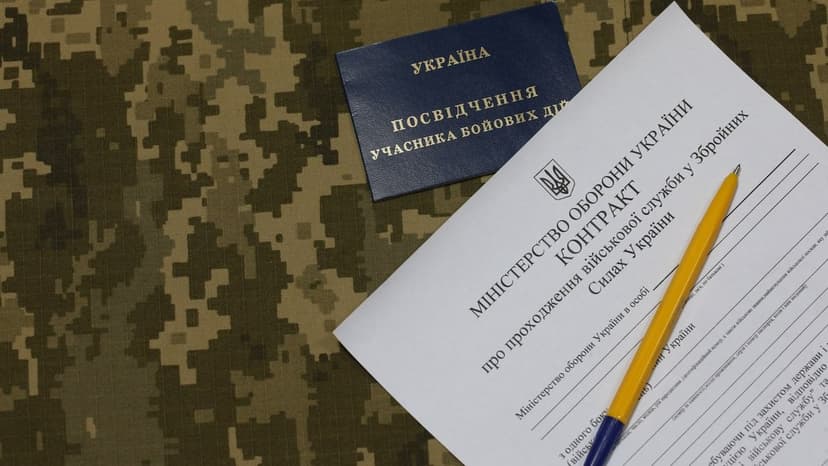
Once the decision is made, the next step is submitting an official application. SOF provides several convenient options:
Online application:Fill out a form on the official website—fast and straightforward.
Telegram bot:Submit an application and receive answers to basic questions.
robota.ua platform:Apply through one of Ukraine’s most popular job-search platforms.
Phone call:Contact the call center for additional information or to schedule an interview.
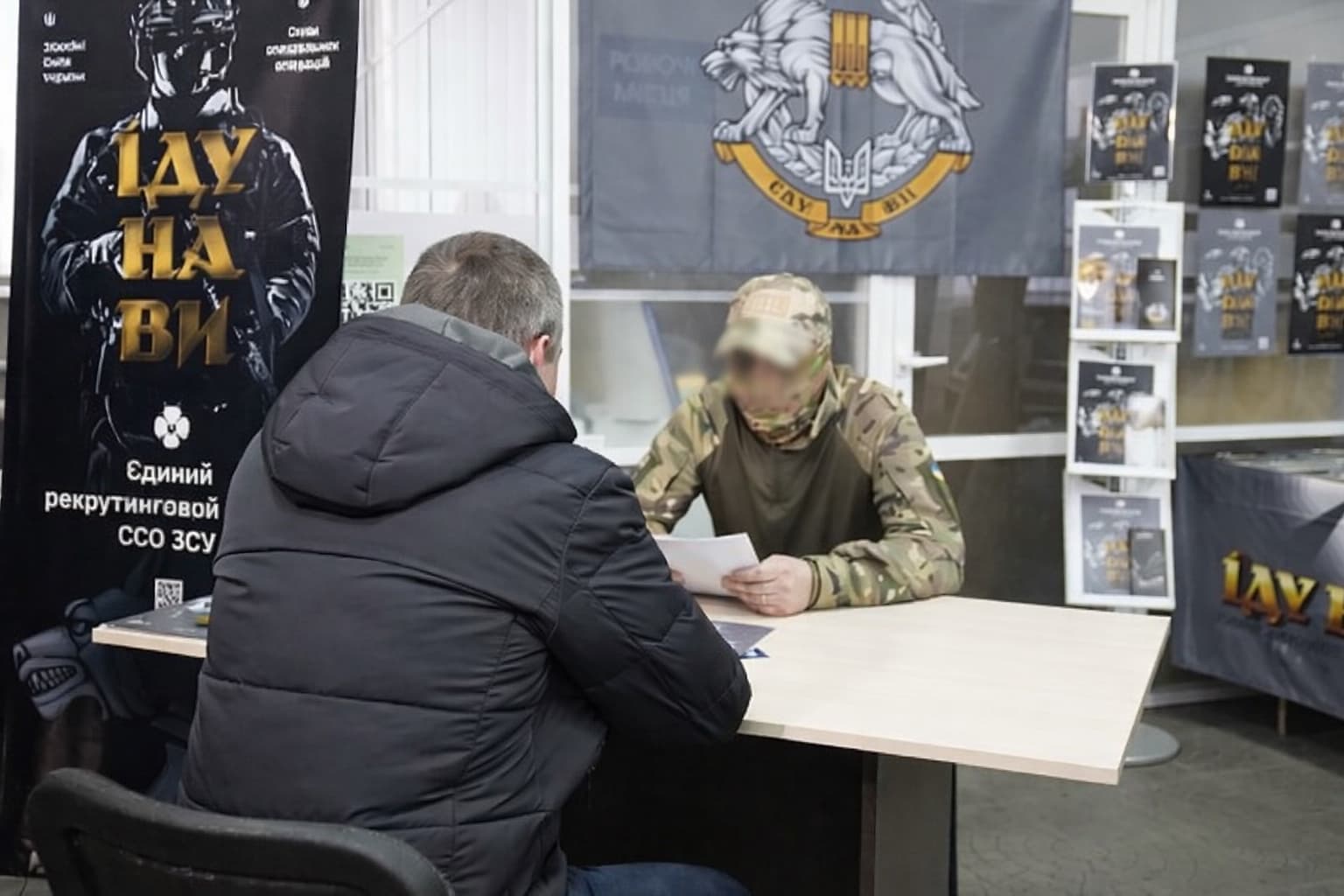
Recruitment office visit:If possible, visit a recruitment office in Kyiv or Dnipro. A face-to-face consultation provides the most complete understanding of service conditions.
Information required in the application:
Personal data (full name, contacts, date of birth)
Current status:
civilian recruit (no prior service),
reservist,
former conscript or military academy graduate,
active-duty service member
Education and professional background
Previous military experience (if any)
Driver’s licenses (A, B, C, D, E categories)
Additional skills and qualifications
Candidates are encouraged to list any additional training or competencies such as computer skills, tactical medicine courses, UAV operation, etc., as well as their current or most recent occupation.
Step 3: Interview
After application submission, candidates are invited for an interview. This stage allows recruiters to assess your background, skills, and motivation, and to recommend suitable positions.
SOF prioritizes quality over quantity—motivation and potential matter most.
Interview process includes:
Review of personal profile (age, education, experience, licenses, skills)
Motivation assessment: why you want to join SOF and which role interests you
Career orientation: recruiters help identify suitable roles based on your abilities
Civilian higher education (psychology, economics, law, etc.) may open paths to officer training, depending on unit needs. Recruiters also consider career progression since graduation to better match candidates with available positions.
Step 4: Medical Evaluation (VLC)
The Military Medical Commission (VLC) assesses the physical and psychological suitability of candidates to ensure they can safely and effectively perform duties.
Medical evaluation includes:
General practitioner: overall health, chronic conditions, heart and lung function, blood and urine tests
Ophthalmologist: visual acuity and color perception
ENT specialist: hearing and ENT health
Neurologist: coordination, reflexes, nervous system health
Psychologist: stress tolerance, attention, memory, emotional stability
Orthopedist: musculoskeletal system assessment
Cardiologist: ECG and cardiovascular screening
Surgeon: general physical assessment
Additional specialists as required (ultrasound, endocrinologist, etc.)
Step 5: Training at SOF Training Centers
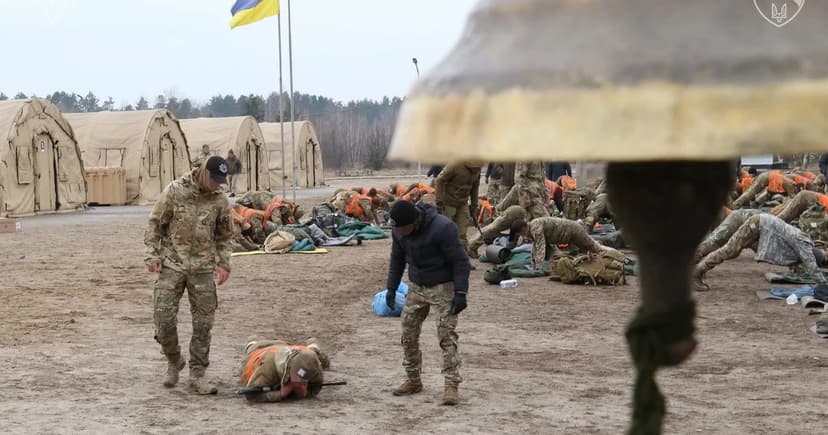
After successfully completing all stages, candidates are enrolled in SOF training centers.
Training program includes:
Tactical training: urban, forest, and mountainous operations
Weapons training: assault rifles, sniper systems, and advanced firearms
Technical training: UAV operations, communications, engineering specialties
Medical training: combat lifesaving skills
Training lasts several months, followed by unit integration and team coordination training.
Positions Available in SOF
Candidates may choose from a wide range of combat and support roles, including:
UAV operators
Support roles: logistics, engineering, medicine, communications
Combat roles: for those prepared for intense physical and psychological demands
Could SOF Be Right for You?
Many people doubt whether they are ready for SOF challenges. It is important to remember: SOF operators are not superheroes—they are ordinary people who once stood where you are now.
What matters most is the willingness to develop, to push your limits, and to become part of a professional team.
SOF is calling for you.