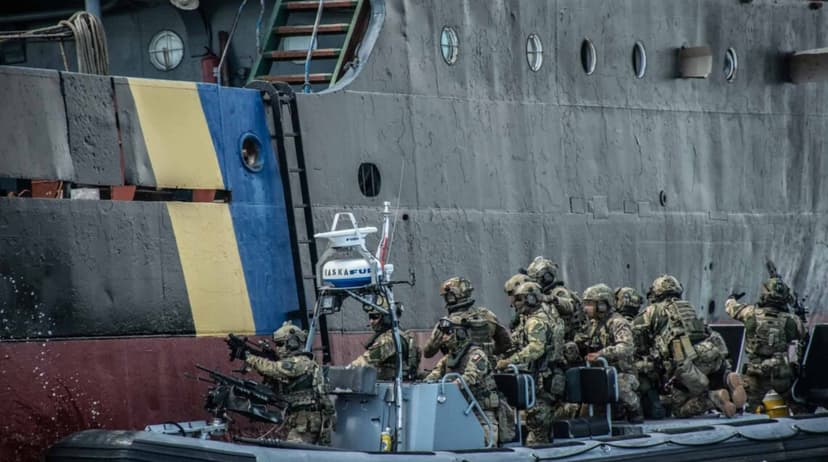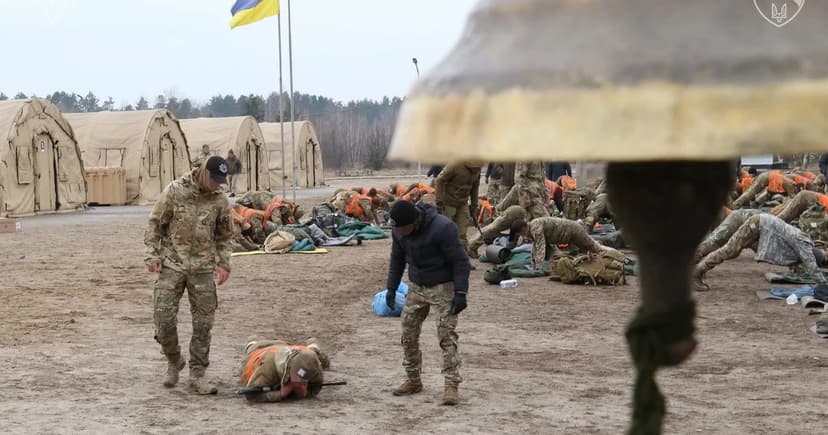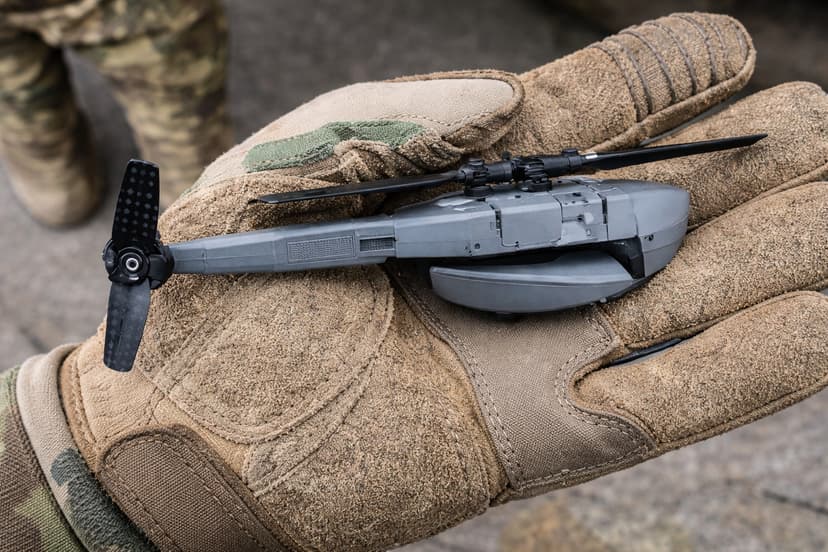
The Special Operations Forces (SOF) are an elite branch of the Armed Forces of Ukraine, where precision and proficiency are decisive. To accomplish complex missions, operators require not only physical fitness and courage, but also first-class equipment.
Weapons in SOF are more than tools—they are, as often said, an extension of the operator’s hand. Assault rifles, sniper rifles, machine guns, grenade launchers, and even hand grenades provide SOF personnel with the ability to operate effectively in the most extreme conditions.
Why Is Weapon Selection So Important?
SOF units operate in exceptionally demanding environments: reconnaissance, assaults on fortified positions, ambushes, and casualty evacuation. Missions of this nature require weapons that are reliable, lightweight, accurate, and versatile.
Key criteria for SOF weapon selection:
Reliability. Weapons must function flawlessly in all conditions—from extreme cold to desert heat.
Modularity. The ability to rapidly adapt weapons to mission requirements by adding optics, suppressors, or under-barrel grenade launchers.
Ergonomics. Weapons must remain comfortable during prolonged use.
Accuracy. Every shot may be decisive.
Primary Weapon Types Used by SOF
1. Assault Rifles: Universal Weapons for Any Mission
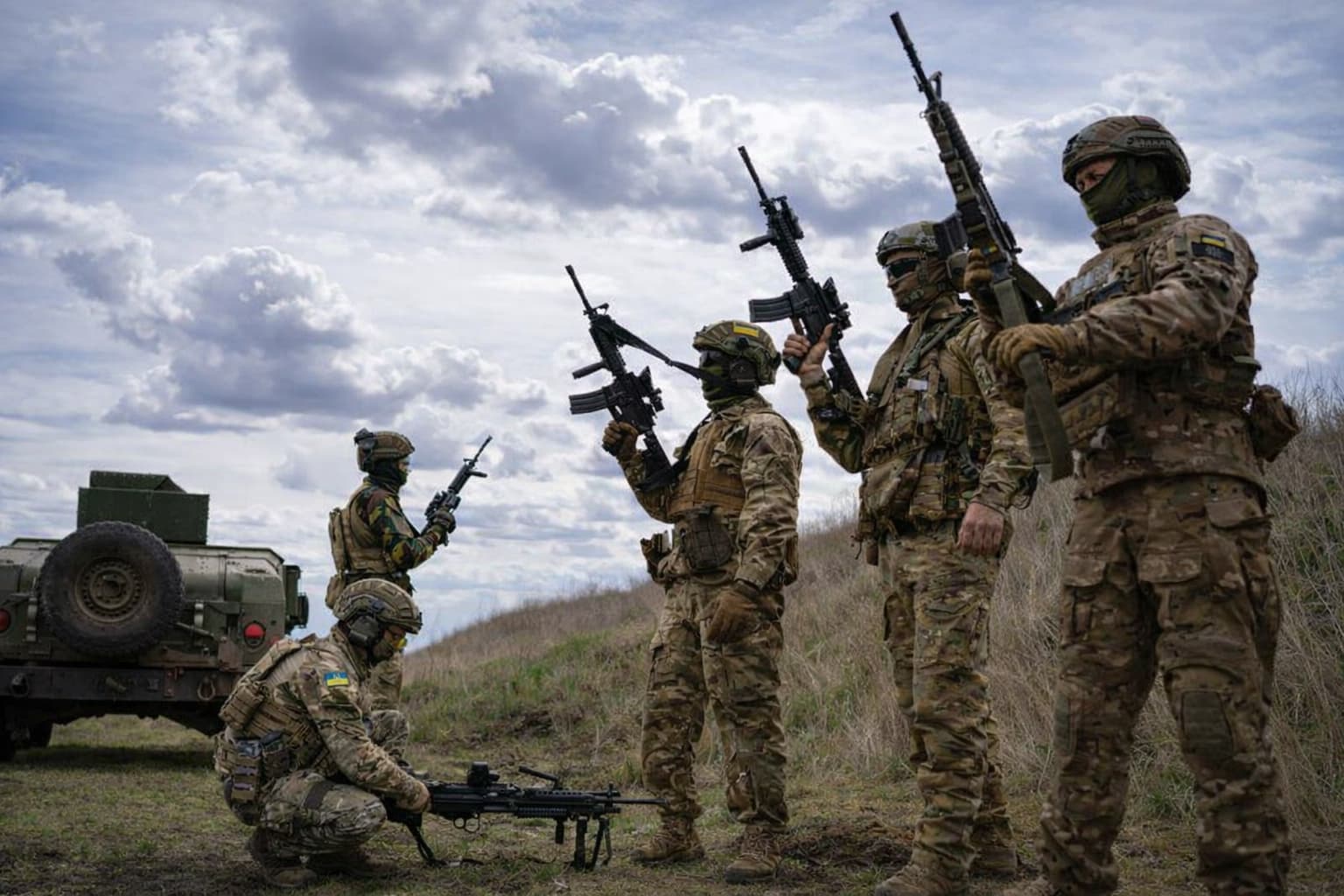
Assault rifles are the primary weapons of SOF personnel. They are used for close combat, room clearing, and position defense. Common platforms include:
HK416. A German assault rifle renowned for high accuracy and reliability under extreme conditions.
AK-74. A classic weapon known for ruggedness and wide modification options.
FN SCAR. A modular assault rifle adaptable to a wide range of operational scenarios.
M4 Carbine. One of the most widely used American rifles, combining compact size with excellent accuracy and low recoil, enabling precise rapid fire.
Example:During room entry operations, a lightweight and maneuverable M4 equipped with a red-dot sight allows operators to respond quickly to threats while maintaining high accuracy.
2. Sniper Rifles: Precision in Every Shot
SOF snipers perform one of the most demanding roles, where each shot must be flawless. Common sniper systems include:
Barrett M82. A powerful rifle capable of penetrating vehicles and light armor, effective at ranges exceeding 1,500 meters.
Accuracy International AXMC. A renowned British precision rifle designed for extreme accuracy.
UAR-10. A Ukrainian-made rifle proven effective in combat conditions.
3. Pistols: Compact and Fast
Pistols serve as secondary weapons in critical close-quarters situations.
Glock 17. A highly reliable Austrian pistol widely used by military forces worldwide.
FN Five-seveN. A pistol with high penetration capability.
CZ P-10. A Czech pistol known for excellent ergonomics.
4. Machine Guns: Fire Support for the Team
Machine guns provide sustained suppressive fire to support maneuvering elements.
FN Minimi. A compact light machine gun suitable for mobile units.
M240. A powerful machine gun delivering high volume of fire.
5. Grenade Launchers: Heavy Fire Support
Grenade launchers are effective against armored vehicles, fortifications, and grouped enemy forces. SOF employs both under-barrel and standalone systems:
M203. An under-barrel grenade launcher mounted on assault rifles.
Carl Gustaf M4. A reusable recoilless launcher capable of defeating armored targets.
RPG-7. A classic launcher known for its effectiveness.
6. Hand Grenades: Versatile Battlefield Weapons
Hand grenades provide a decisive advantage in close combat and room clearing operations. Common types include:
Fragmentation grenades (RGD-5, F-1). Used against enemy personnel.
Thermobaric grenades. Generate powerful blast effects, particularly effective in enclosed spaces.
Smoke grenades. Used for concealment and enemy disorientation.
Weapons Training in SOF
Weapons training is one of the most critical components of SOF preparation. Mission success often depends on the operator’s mastery of their weapons.
1. Theoretical Training
Personnel study all aspects of weapon systems, including:
Weapon characteristics (range, ammunition, rate of fire, design features)
Safety procedures
Weapon disassembly and reassembly for maintenance and field repair
Operating principles, sight adjustment, and ammunition selection
2. Practical Training
Following theory, operators conduct live-fire training at ranges and training facilities:
Shooting from various positions (prone, kneeling, standing)
Firing while moving and using cover
Engaging moving and pop-up targets
Team drills focusing on coordination and mutual support
Example:During training, an operator armed with an M4 practices room clearing under simulated combat conditions. An M203 under-barrel grenade launcher is used to neutralize a fortified position.
3. Tactical Exercises
These exercises simulate real combat conditions to prepare operators for operational environments:
Mission simulations (assaults, ambushes, defensive operations)
Night operations using thermal imagers and laser aiming devices
Team coordination and combined weapon employment
Example:In a defensive drill, an operator with an FN Minimi provides suppressive fire while another clears enemy fortifications using RGD-5 grenades.
4. Use of Modern Training Technologies
Advanced technologies play a major role in SOF training:
Simulators. Computer-based systems replicate weapon behavior and combat conditions without live ammunition.
Virtual Reality (VR). Operators train in immersive environments replicating real missions.
Shot analysis systems. Sensors track accuracy, speed, and effectiveness of each shot.
Example:In a VR simulator, an operator rehearses a building assault using an M4 and a Carl Gustaf M4, preparing for real-world execution without risk.
5. Psychological Preparation
Weapon proficiency also requires mental resilience. Training focuses on:
Maintaining composure under stress
Concentration and emotional control
Operating under time pressure, noise, and sensory overload
Example:During training, operators are placed under simulated multi-directional fire. The task is to remain focused and make rapid decisions while employing weapons effectively.
Weapons as a Key Element of Mission Success
Weapons training in SOF is a demanding but highly effective process that prepares operators for the most challenging missions. A strong theoretical foundation, extensive practice, realistic simulations, and modern technologies ensure training is as close to real combat as possible.
This is why SOF personnel consistently demonstrate high effectiveness on the battlefield.