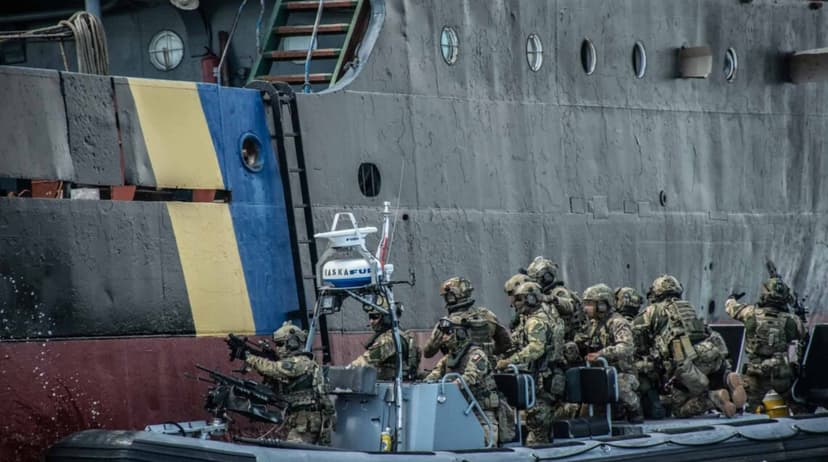
In modern conditions of armed conflict and special operations conducted by the Special Operations Forces (SOF), tactical medicine has become not only a critical component of military training but also a key factor in preserving the lives of personnel.
For SOF personnel operating in extreme and often isolated environments, the ability to provide medical aid can be decisive—not only for the survival of teammates, but also for the successful completion of the mission.
This article examines the fundamentals of tactical medicine, the specifics of its application within SOF, the essential skills required, and the stages of care that can save lives.
Specific Features of Medical Care in SOF Operations
Special Operations Forces operate in complex and dynamic environments where conventional medical support is often unavailable. The provision of medical care in SOF is characterized by the following factors:
1. Operations in Isolated Environments
SOF units frequently operate far from main forces and medical facilities, requiring a high level of autonomy in medical care. Medics must be capable of stabilizing casualties on-site or during evacuation.
2. Elevated Threat Levels
During mission execution, both the medic and the casualty may be under enemy fire. Therefore, the first priority is ensuring the safety of the rescuer and the team.
3. Limited Resources
Due to the nature of special operations, medical supplies are often limited. This requires maximum efficiency in the use of available resources.
4. Stress and Time Pressure
Operating under extreme stress demands rapid reaction and decisive action from medics.
Fundamentals of Tactical Medicine in SOF
Tactical medicine is based on internationally recognized TCCC (Tactical Combat Casualty Care) principles, which consist of three key phases:
1. Care Under Fire
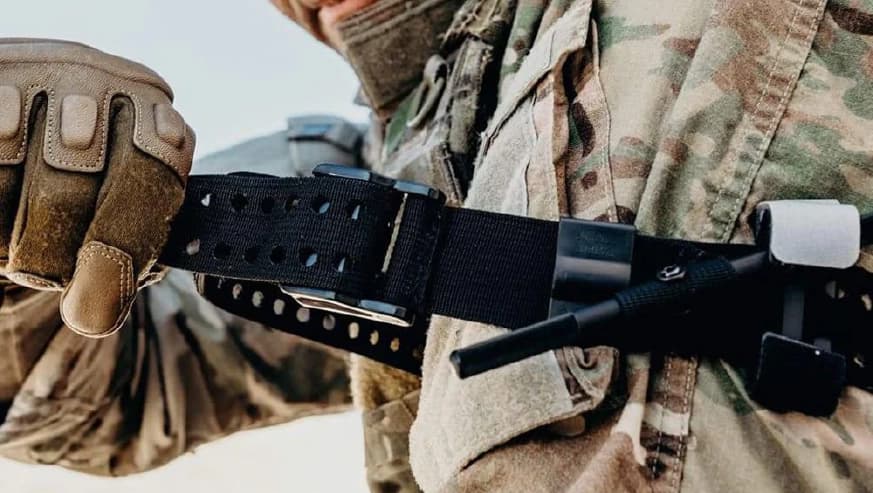
Immediate control of life-threatening hemorrhage using a tourniquet.
Minimization of actions that expose the rescuer to danger.
Evacuation of the casualty to a safer location.
2. Tactical Field Care
Assessment of the casualty’s condition (airway, breathing, circulation, additional injuries).
Wound packing and application of dressings.
Airway management.
Prevention of hypothermia.
3. Tactical Evacuation Care
Maintenance of casualty stability during transport.
Use of additional means to monitor the casualty’s condition.
Specific Challenges of Medical Care in Combat
Armed conflict presents unique challenges to medical support. Key factors include:
1. Increased Danger
Both rescuer and casualty are often exposed to ongoing threats, requiring strict adherence to the principle of rescuer safety first.
2. Limited Resources
Lack of equipment, medications, or time is common on the battlefield, making efficient use of available assets essential.
3. Psychological Pressure
Medics operate under extreme stress, which affects decision-making speed and quality. Training under realistic conditions helps prepare for such scenarios.
Essential Skills for SOF Medics
SOF medics play a decisive role in preserving the lives of their teammates under the most dangerous conditions. Their role goes beyond traditional medicine, as they operate directly in combat environments, often without access to full medical infrastructure.
1. Control of Life-Threatening Hemorrhage
Massive bleeding is the leading cause of preventable death in combat. SOF medics must master:
Application of tourniquets (CAT, SOFT-TT).
Wound packing with hemostatic agents (Celox, QuikClot).
Use of compression bandages.
2. Airway Management
Chest or facial injuries can compromise breathing. Required skills include:
Use of nasopharyngeal airways.
Application of occlusive chest seals.
Needle decompression for tension pneumothorax.
3. Immobilization of Injuries
Proper stabilization of fractures and dislocations is essential to prevent further complications:
Application of splints.
Use of improvised stabilization methods.
4. Shock Management
Shock poses a major threat to casualty survival. Medics must rapidly assess the casualty, provide thermal protection, and prevent deterioration prior to evacuation.
5. Evacuation Coordination
In addition to providing care, SOF medics must coordinate casualty evacuation, including proper casualty movement and selection of evacuation methods.
Training Methods for Tactical Medicine in SOF
Training SOF medics is a complex, multi-stage process that includes:
1. Theoretical Training
Study of combat trauma anatomy and physiology.
Familiarization with TCCC protocols.
2. Practical Training
Hands-on use of real medical equipment (tourniquets, bandages, splints).
Rehearsal of medical algorithms in field conditions.
3. Simulation Training
Training in stress-inducing environments simulating combat (loud noise, explosions, limited visibility).
4. Realistic Scenarios
Training at ranges using mannequins or role-players simulating casualties.
Basic Medical Kit for SOF Medics
The primary purpose of the medical kit is to provide immediate care for trauma, bleeding, burns, and other injuries sustained during combat operations. Its configuration is based on TCCC principles and standards.
Contents of a Basic Medical Kit
1. Hemorrhage Control
Tourniquets (CAT, SOFT-TT): for rapid control of severe limb bleeding.
Hemostatic agents (Celox, QuikClot): for wound packing.
Compression bandage: for secure wound dressing.
2. Airway and Breathing Support
Nasopharyngeal airways: to maintain airway patency.
Occlusive chest seals: for penetrating chest wounds.
3. Immobilization Equipment
Splints (e.g., SAM Splint): for fracture stabilization.
Elastic bandages: for injury support.
4. Antiseptics and Dressings
Sterile wipes, gauze, adhesive tape.
Antiseptic solutions for wound care.
5. Thermal Protection
Thermal blanket: to prevent hypothermia.
6. Additional Equipment
Trauma shears.
Marker for recording tourniquet application time.
Flashlight for low-light operations.
Principles of Medical Kit Use
Accessibility: the kit must be quickly accessible.
Customization: contents may vary depending on mission and unit requirements.
Training: all team members must know how to use the kit effectively.
The SOF medic’s kit is not merely a collection of medical supplies—it is a life-saving tool in the most critical situations. Its effectiveness depends on proper configuration, accessibility, and proficiency in using each item.
Remember: a well-prepared medical kit is another step toward overcoming adversity.
Stages of Tactical Medical Care in SOF
Threat and safety assessment.
Control of life-threatening hemorrhage.
Primary casualty assessment (airway, breathing, circulation, injuries).
Stabilization prior to evacuation.
Evacuation to medical facilities.
Tactical Medicine as an Integral Part of SOF Training
Tactical medicine enables life-saving care even in the most challenging environments where conventional medical methods are unavailable.
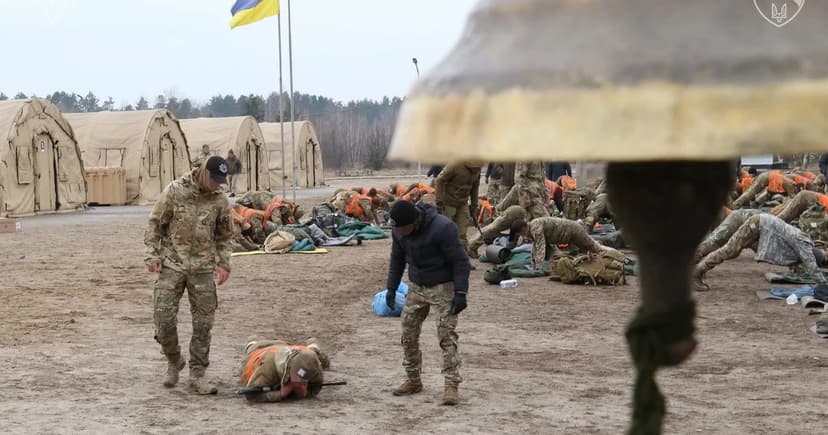
These skills cannot be mastered through theory alone. Regular training and simulations are essential. Training centers across Ukraine, along with international medical missions, provide tactical medicine courses where personnel learn tourniquet use, wound packing, stress management, and other critical skills discussed in this article.
For novice medics, future SOF operators, and reservists, mastering these skills is a mandatory stage of preparation. Only through knowledge, training, and the ability to make rapid decisions can survival and mission success be ensured.
Be prepared for emergencies—because tactical medicine is not only about medical care, but also about humanity and mutual support.